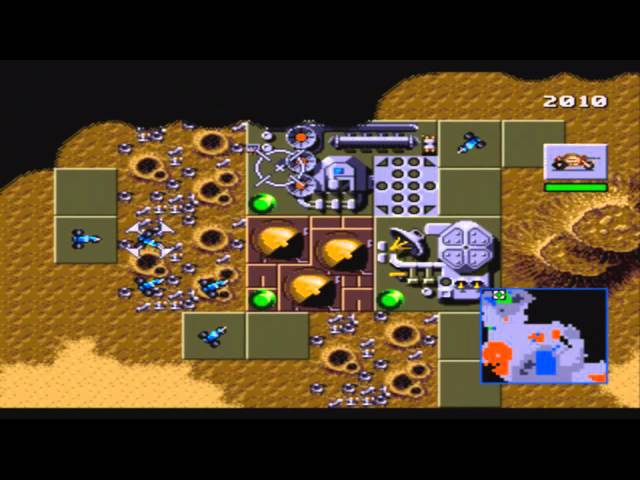
Anyone who played PC games in the 1990s will probably recognise the following formula: build a base, gather resources, produce combat units, then overrun the enemy before they do the same to you.
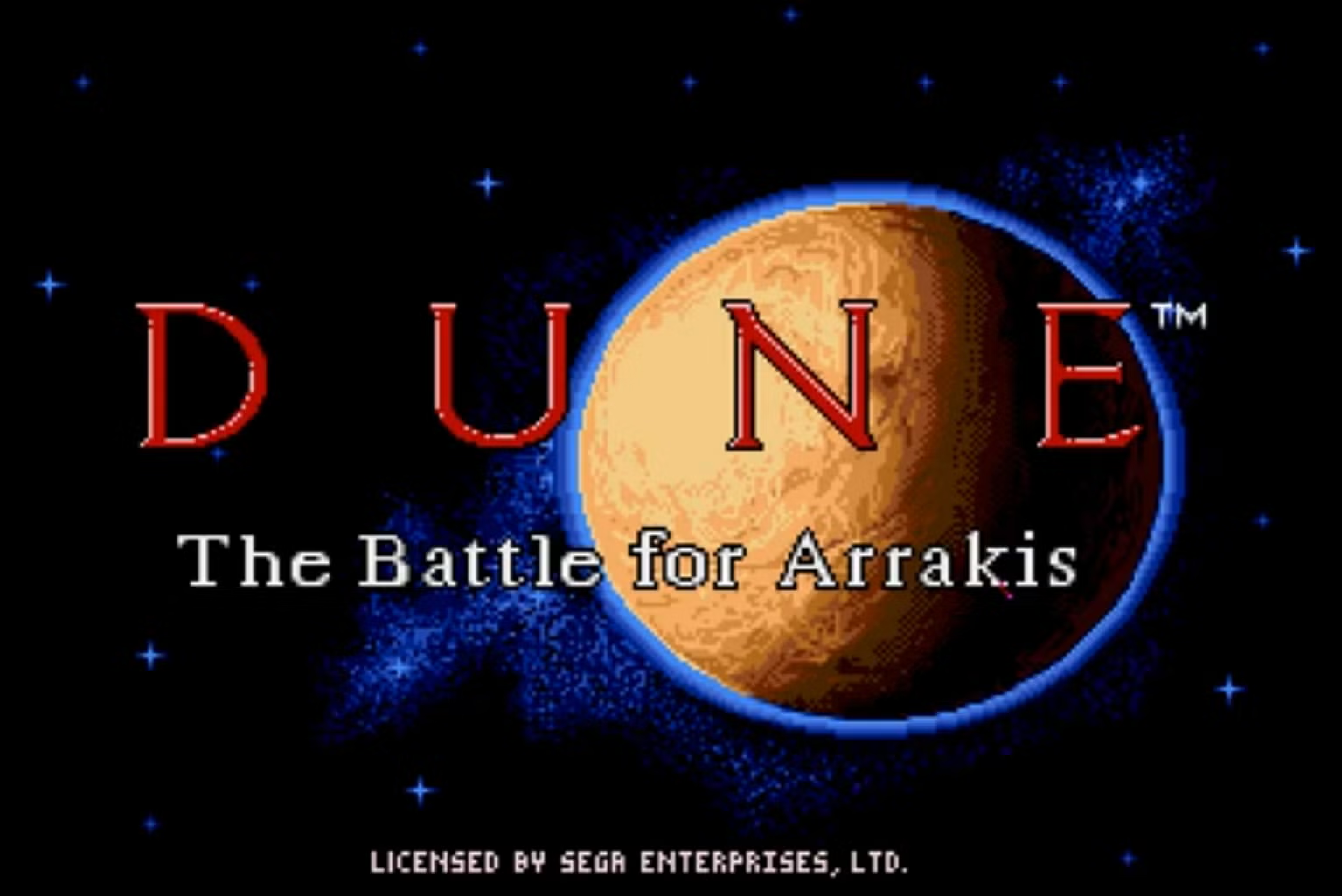
Dune II: The Building of a Dynasty – known in Europe as Battle for Arrakis – was released in 1992. It was not the first RTS, or real-time strategy game, but it helped establish the basic rules of the genre in the form that became widely familiar. Resource gathering, base building, technological development, factions with different units and mouse-controlled battles unfolding in real time somehow worked extremely well together, and countless games would build on those foundations over the following decades.
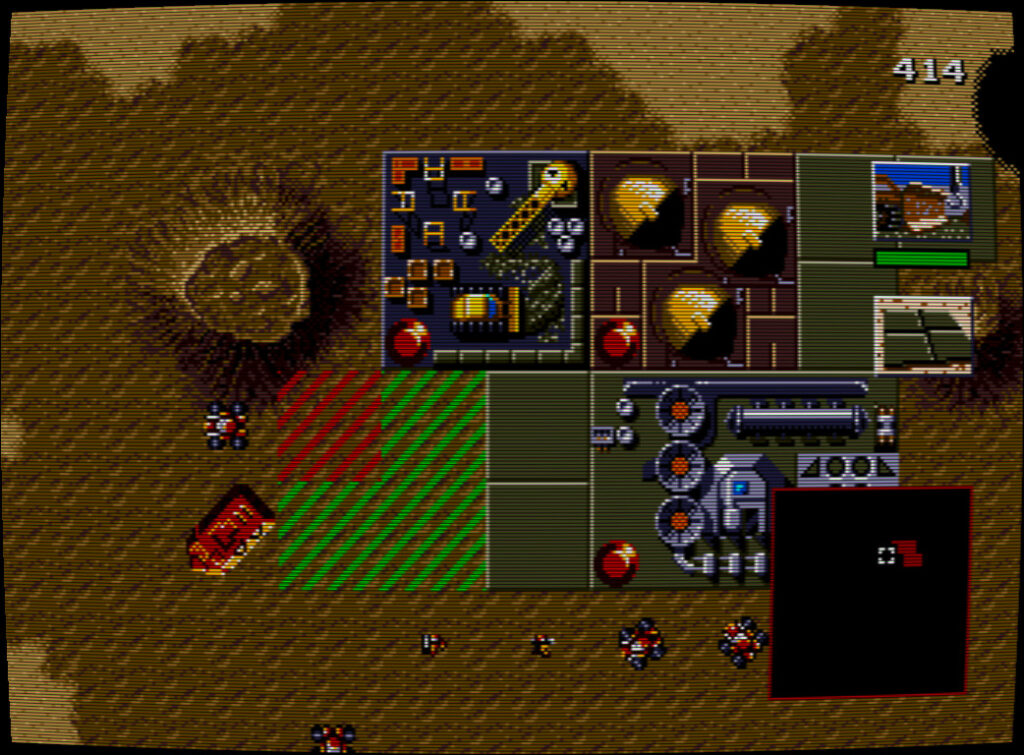
Three years later, the same Westwood Studios that had developed Dune II was already harvesting spice with Command & Conquer. Sorry, success. The road to Warcraft and later StarCraft also ran through foundations laid by Dune II. In other words, we are talking about a game whose legacy is still visible on our screens today.
Thousands of people still play entries in the decades-old Command & Conquer series; millions of ranked matches are still being played in StarCraft II in 2026; and allegedly (!) there are still smaller and larger groups of people who occasionally spend their free time playing Warcraft III: The Frozen Throne. Not to mention the fact that new maps, campaigns and game modes are still being created for it.
These games have outlived their own era and continue to hold active communities together. The original Dune II, however, has been missing from digital stores for a long time, and there is no obvious path for bringing it back.
A Maze of Five Rights Holders
GOG, originally Good Old Games, has spent years trying to bring Dune II back as part of its work preserving older PC games and making them playable on modern machines. Marcin Paczyński, one of the company’s senior executives, has even described it as one of his personal “holy grails”. So far, however, the mission has failed – largely for legal reasons.
Westwood, the studio that created Dune II, was acquired by Electronic Arts in 1998, which means the game’s code, graphics and related assets now belong to EA. So far, so simple: make a deal with EA and fire up the spice harvesters.
Except Westwood did not build the game around an intellectual property of its own. Dune II uses Frank Herbert’s Dune universe, and its licensing was tied to David Lynch’s 1984 film adaptation, which brings Universal Pictures into the picture as well. The film’s producer, Dino De Laurentiis, also held related rights, and the present-day succession of those rights adds yet another question.
Then, of course, there are the rights surrounding Frank Herbert’s fictional universe, Legendary and its modern films, and Funcom’s exclusive licensing arrangement behind the current Dune games.
According to GOG, at least five separate legal interests would have to be brought into alignment. It is not even entirely clear how Funcom’s agreement affects the old Westwood games.
With that many participants, organising a large multiplayer match would already be difficult enough, let alone re-releasing a thirty-four-year-old game.
The Spice Flows. Royalties, Less So.
There is another part of the story: untangling all of this may simply not be worth the trouble financially. Paczyński estimates that a re-release might sell somewhere between 50,000 and 100,000 copies at roughly $6–10 each. That is, of course, only an estimate, but it gives a sense of the scale. Lawyers from several enormous corporations would have to spend considerable time negotiating a deal whose total revenue would be relatively small compared with the size of the companies involved.
Meanwhile, Dune is arguably more popular than ever. Denis Villeneuve’s films have introduced the story to a new audience, Dune: Spice Wars returned to Arrakis as a modern strategy game, and Dune: Awakening lets players loose on the desert planet in an entirely different genre, complete with sandworms and various other inconveniences.
The original Dune II, however, still cannot be bought as an official modern digital release. Old physical copies, fan projects and various versions circulating online do exist, but none of them replace a properly licensed re-release.
GOG, at least, has not given up and is still looking for possible solutions.
Until then, we are left with a rather strange situation: Dune II once helped create an entire genre of video games, yet today several empires would have to form an alliance just so we could legally buy it again.